Every marketing budget faces the same fork: put the next dollar into ads that deliver traffic today, or into SEO that builds an asset for next year? Framed as either-or, the debate never ends. Framed as economics and sequencing, it resolves cleanly. Here is the honest comparison.
The economics side by side
Paid ads behave like rent. Cost per click is set by auction, results start within hours and stop the moment spending stops. Costs trend upward as competition grows, and scaling means paying linearly for every additional visitor.
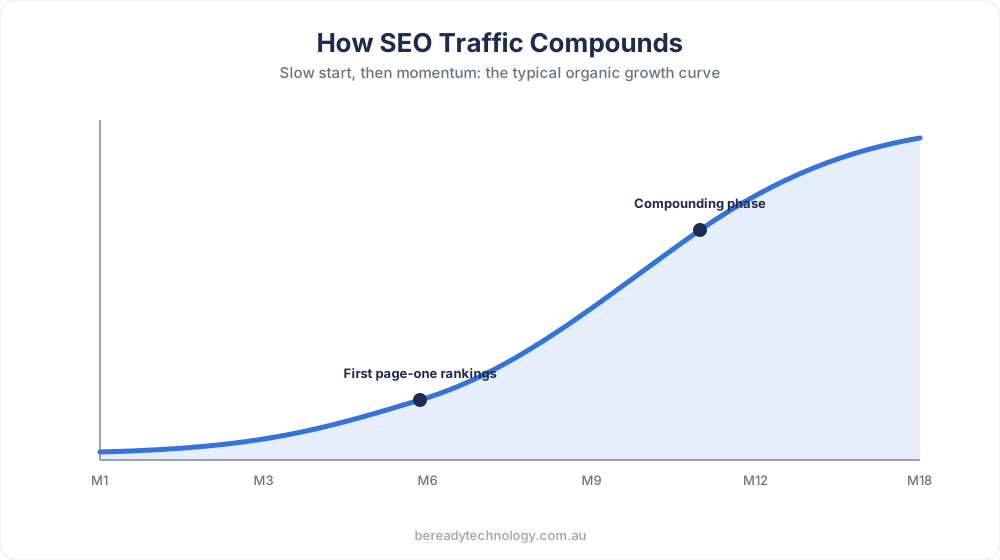
SEO behaves like buying property. Heavy upfront investment, slow start, then rankings deliver visitors at zero marginal cost per click. The asset appreciates with age; a page that ranks keeps paying with only maintenance. The catch: results take months, as we detail honestly in How Long Does SEO Take? An Honest Timeline with Milestones.
Where each channel wins
Ads are the right tool when:
- You need customers this week: launches, promotions, seasonal peaks.
- You are validating messaging or a new offer and need fast data.
- The keyword is transactional and you can profit at the current cost per click.
SEO is the right tool when:
- Your customers research before buying and you can answer their questions better than competitors.
- Cost per click in your niche is painful and rising.
- You are building a brand that should get cheaper to market over time, not more expensive.
The risk profile most people ignore
Ads carry platform risk: policy changes, rising auctions, account suspensions. SEO carries algorithm risk: updates can move rankings. The difference is what remains after a shock. An ads account that stops is worth nothing; a site with strong content and links keeps most of its value and usually recovers. Diversification across both is the real hedge.
The sequencing playbook
- Phase 1: use ads for immediate revenue and, importantly, keyword intelligence: the search terms that convert in ads are proven targets for SEO.
- Phase 2: invest SEO effort into exactly those converting keywords, starting with foundations and one content cluster.
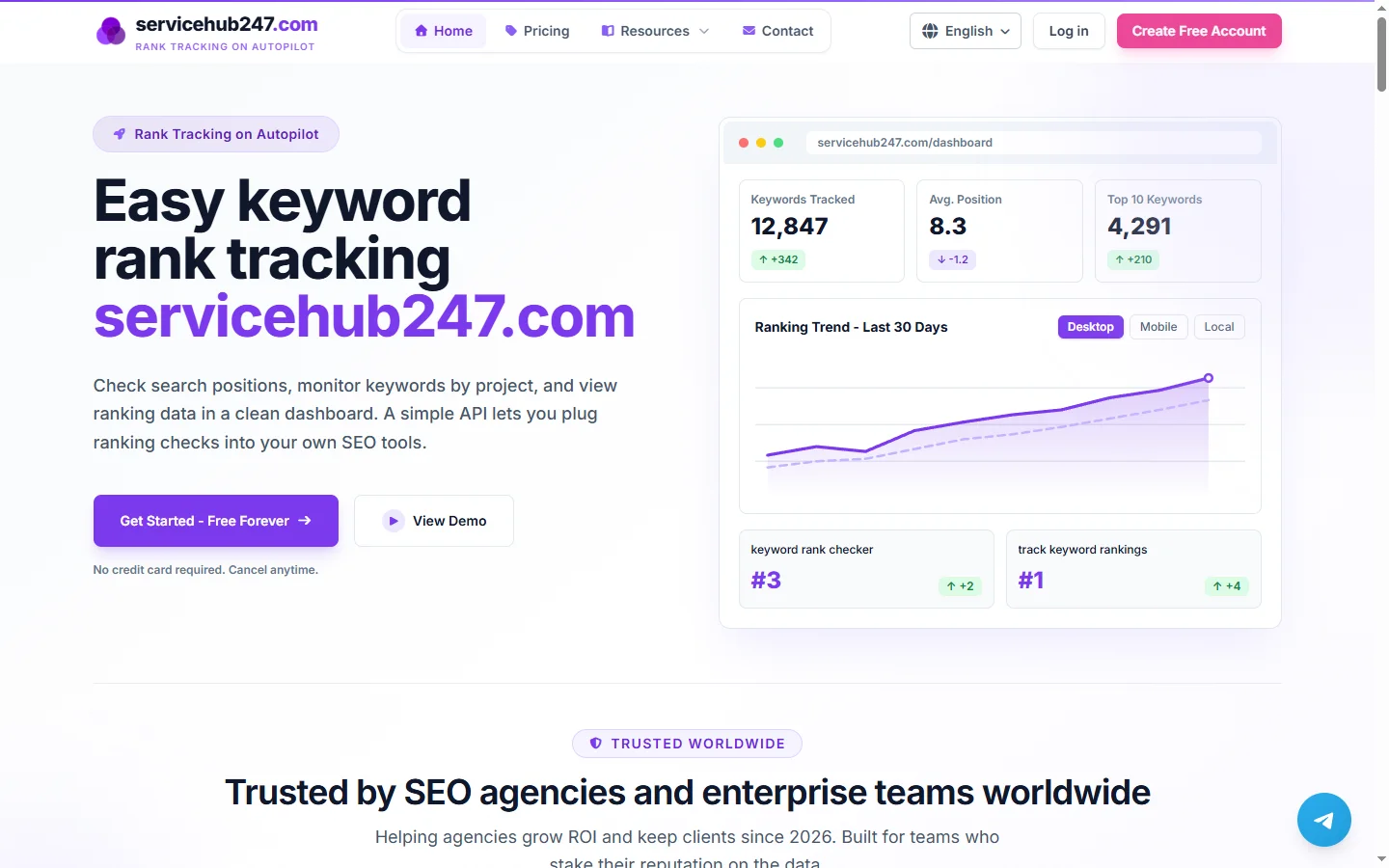
- Phase 3: as organic rankings capture keywords, reduce ad spend there and redeploy it to new fronts. Track daily with a tool like Service Hub 247 so the handover is data-driven, not hopeful.
The uncomfortable truth about waiting
The best time to start SEO was when you started buying ads; every month of delay extends the dependency. Businesses that never start remain renters forever, paying more each year for the same traffic they could progressively own. Our recommendation in one line: fund today with ads, build tomorrow with SEO, and measure both against revenue as shown in How to Measure SEO ROI: Metrics, Reports and Attribution.