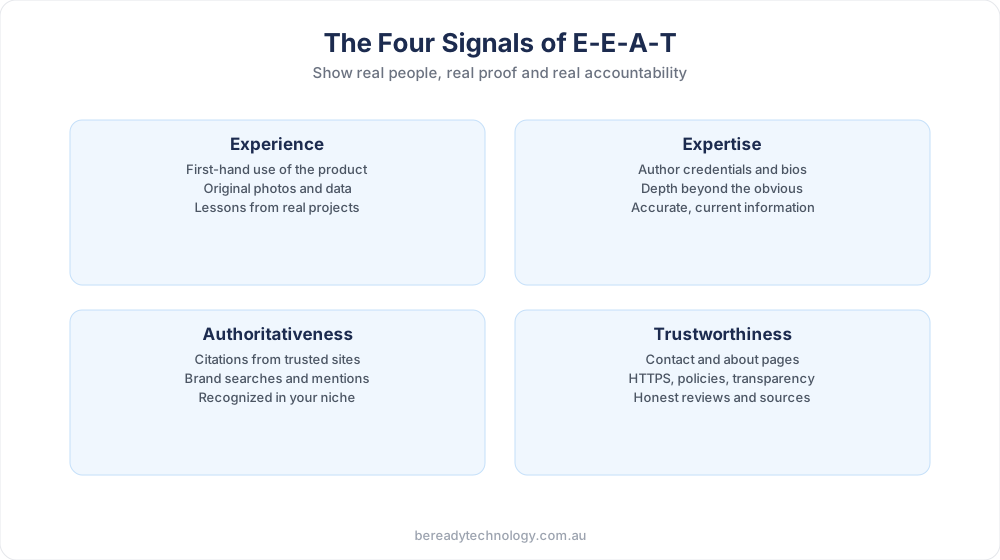
Google's quality guidelines revolve around four letters: E-E-A-T, short for Experience, Expertise, Authoritativeness and Trustworthiness. It is not a single ranking factor you can toggle, but a lens Google trains its systems to reward. Sites that visibly demonstrate these qualities win more, especially in topics that affect money or health. Here is what each letter means in practice, and how to strengthen it.
Experience: show you have done the thing
The newest E asks: has the author actually used the product, visited the place, run the process? First-hand experience separates real content from paraphrased search results.
- Publish original photos and screenshots, not stock images.
- Include real numbers, timelines and outcomes from your own projects.
- Write honestly about what went wrong, generic praise is a tell of no experience.
Expertise: prove the author knows the field
- Give every article a named author with a bio stating relevant credentials and links to their profiles.
- Go deeper than the first page of Google: original analysis, edge cases, professional nuance.
- Keep content current, outdated advice is a signal of neglect. Review key articles at least yearly.
Authoritativeness: be cited by others
Authority is earned externally. When trusted sites link to you, journalists quote you and people search your brand by name, Google notices.
- Earn links from respected publications in your niche; our guide on 8 Link Building Strategies That Still Work in 2026 covers the strategies.
- Build a consistent brand presence: conference talks, podcasts, industry directories.
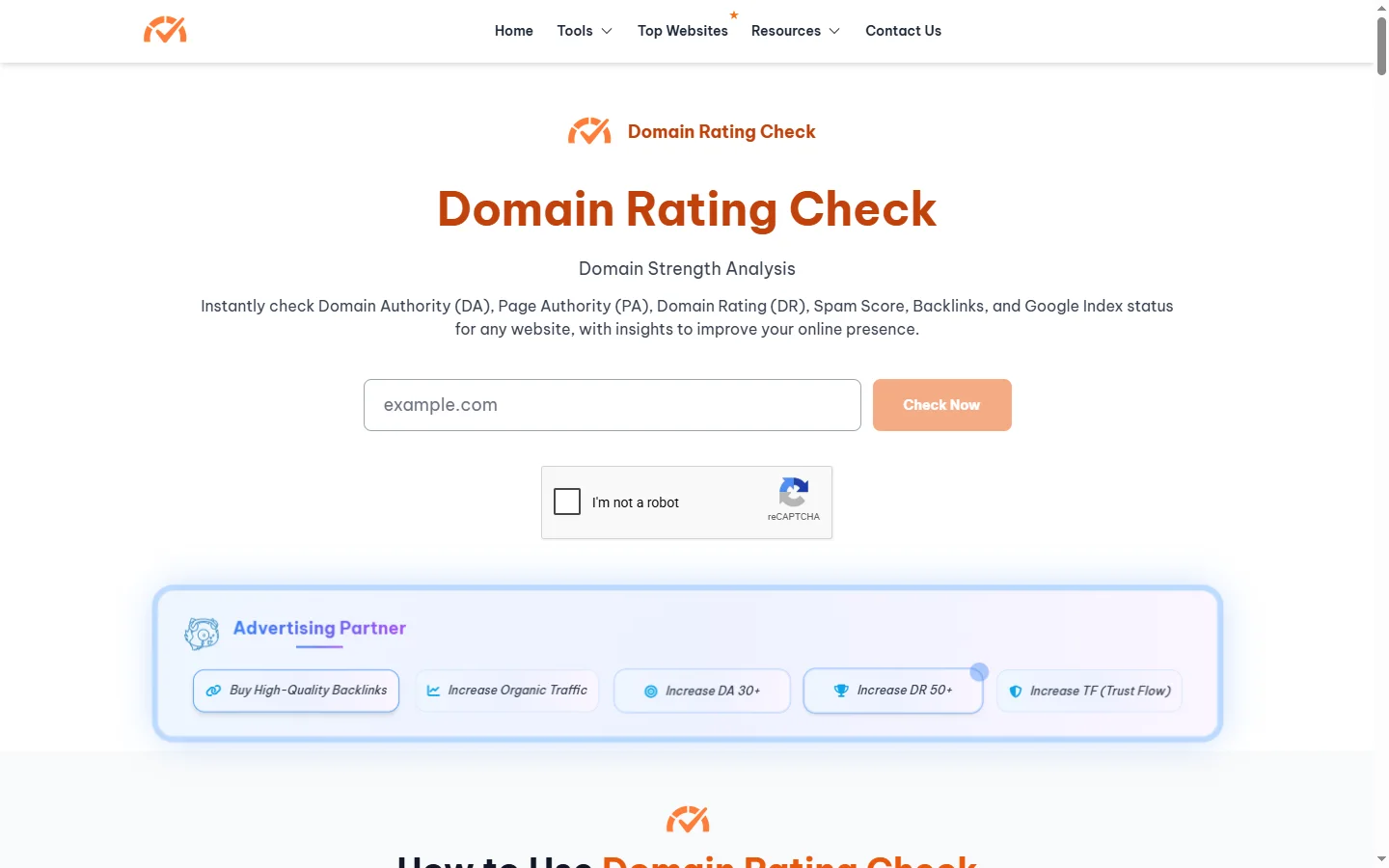
- Monitor your authority metrics over time with a tool like Domain Rating Check, direction matters more than the absolute score.
Trustworthiness: remove every reason to doubt
Trust is the foundation the other three stand on, and the easiest to act on today:
- Full contact details, physical address and a real about page with real people.
- HTTPS everywhere, clear privacy policy, transparent pricing.
- Cite sources for claims and statistics; correct errors openly.
- Show genuine reviews, including imperfect ones. A flawless 5.0 from 12 reviews convinces nobody.
Where E-E-A-T matters most
Google applies the highest bar to "Your Money or Your Life" topics: health, finance, law, safety. If you operate anywhere near these, author credentials and citations are not optional. But even in relaxed niches, the pattern holds: the more a site looks like a real organization with real experts, the easier every ranking becomes.
A 30-day E-E-A-T sprint
- Week 1: add author bios and an honest about page.
- Week 2: audit your top 10 pages for sources, dates and original media.
- Week 3: fix trust basics: contact page, policies, HTTPS issues.
- Week 4: pitch one podcast or publication in your niche.
None of this is exotic, which is exactly the point. E-E-A-T rewards being a legitimate business in public, consistently.