On-page SEO is the highest-leverage work in search: you control 100% of it, changes take minutes, and improvements often show within weeks. This checklist covers the 12 elements we review on every page for our clients. Work through it top to bottom whenever you publish or update a page.
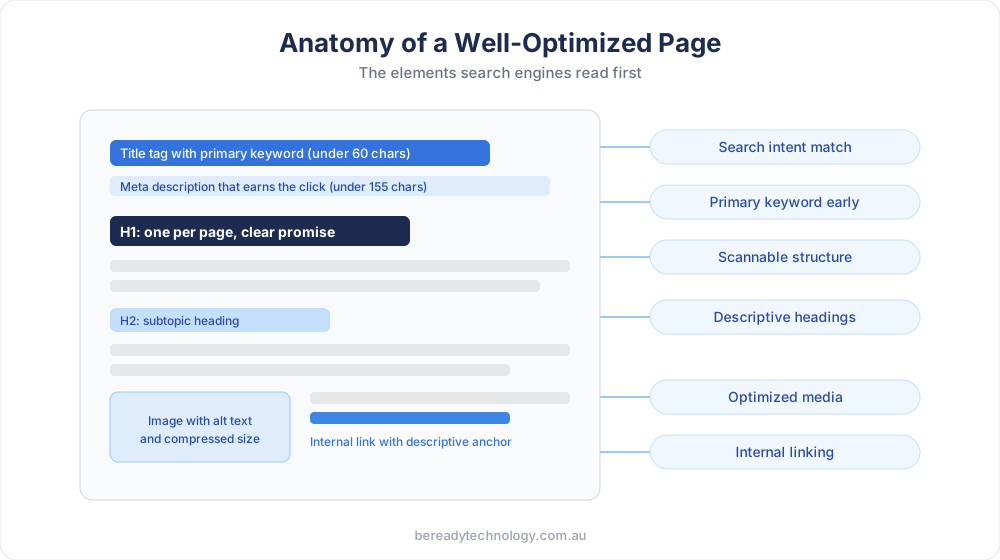
The head section
1. Title tag
Under 60 characters, primary keyword near the front, written to earn the click. It remains the single strongest on-page signal.
2. Meta description
Not a direct ranking factor, but it is your ad copy in the results page. Under 155 characters, include the keyword (it gets bolded) and a reason to click.
3. URL slug
Short, readable, keyword included: /on-page-seo-checklist beats /page?id=8823 every time.
Content structure
4. One H1 per page
A single H1 stating the page's promise, usually close to the title tag but not necessarily identical.
5. Logical H2 and H3 hierarchy
Headings are the skeleton Google and readers both scan. Each H2 should answer one subquestion of the main topic.
6. Intent-matching content
The page must deliver what the keyword promises, at the depth page one already rewards. Thin pages lose; padded pages bore. Say everything needed and stop.
7. Primary keyword early
Mention your keyword naturally in the first 100 words, then write for humans. Keyword density targets died a decade ago.
Media and links
8. Image optimization
Compress to webp, set descriptive file names and alt text. Alt text helps accessibility, image search and gives context to the page.
9. Internal links in
Every new page needs links from existing relevant pages, with descriptive anchors. Orphan pages rank poorly. Our guide on Internal Linking: The Most Underrated Lever in SEO covers the strategy in depth.
10. Internal links out
Link from the new page to your related content and key pages. It distributes authority and keeps visitors on the site.
Technical touches
11. Structured data
Add the schema type that fits: Article, Product, FAQ, LocalBusiness. Rich results earn more clicks at the same ranking position.
12. Page experience
Fast load, stable layout, mobile friendly. If any of those fail, fix them first; see Core Web Vitals: Why Page Speed Matters for SEO and Revenue for the how.
Make it a habit
Print this list or turn it into a pre-publish checklist in your CMS. Twelve checks take about fifteen minutes per page, and across a whole site that discipline compounds into a serious ranking advantage. To see the effect, track your pages in a rank tracker like Service Hub 247 before and after optimization, the movement usually tells the story within a month.