Everyone chases backlinks; almost nobody optimizes the links they fully control. Internal linking, how your own pages link to each other, shapes how search engines discover, understand and rank your content. It costs nothing, needs no outreach, and improvements often show within weeks. Here is how to use the most underrated lever in SEO.
Three jobs internal links perform
- Discovery: crawlers follow links; pages without internal links barely get crawled.
- Authority flow: link equity moves through internal links. Where you point them decides which pages accumulate strength.
- Meaning: anchor text tells Google what the target page is about, working like keywords you can place at will.
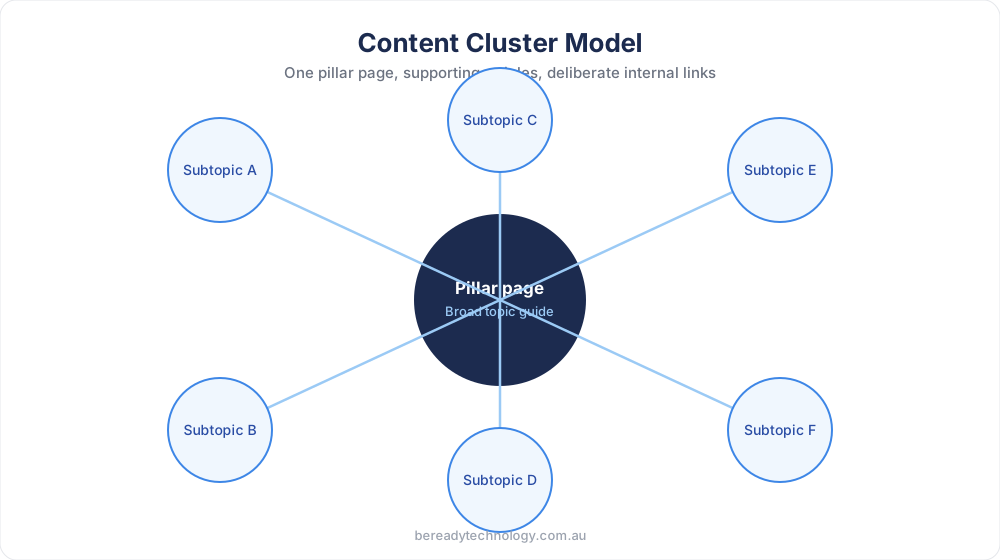
The structure that works: hubs and spokes
Organize around topic clusters: a pillar page for each core topic, supporting articles around it, everything wired together. Every supporting article links up to the pillar with a descriptive anchor; the pillar links out to every supporting article; siblings link where genuinely helpful. This structure, detailed in Content Clusters: How Topical Authority Wins Rankings, concentrates authority exactly where you need it and makes topical relationships explicit.
Anchor text rules
- Describe the target: "our technical SEO audit framework" beats "click here" every time.
- Vary naturally: identical anchors everywhere look mechanical; use close variations.
- Front-load meaning: put the topic words in the anchor, not around it.
Five fixes with immediate impact
1. Rescue orphan pages
Crawl your site and list pages with zero internal links. Link them from relevant content or admit they should not exist.
2. Push authority to money pages
Your strongest pages (check which ones earn the most backlinks) should link to the pages that drive revenue. Blog posts earning links while product pages starve is the classic wasted opportunity.
3. Add links from your top performers
Pages already ranking well pass the most value. Whenever you publish something new, add links to it from your three strongest related pages.
4. Flatten deep pages
Anything important should be reachable within three clicks of the homepage. Deep pages get crawled less and rank worse.
5. Prune or repair broken paths
Redirect chains and links to deleted pages leak equity. A quarterly crawl catches them, fold it into the routine from our Technical SEO Audit: A Practical Framework for Any Website.
Measuring the effect
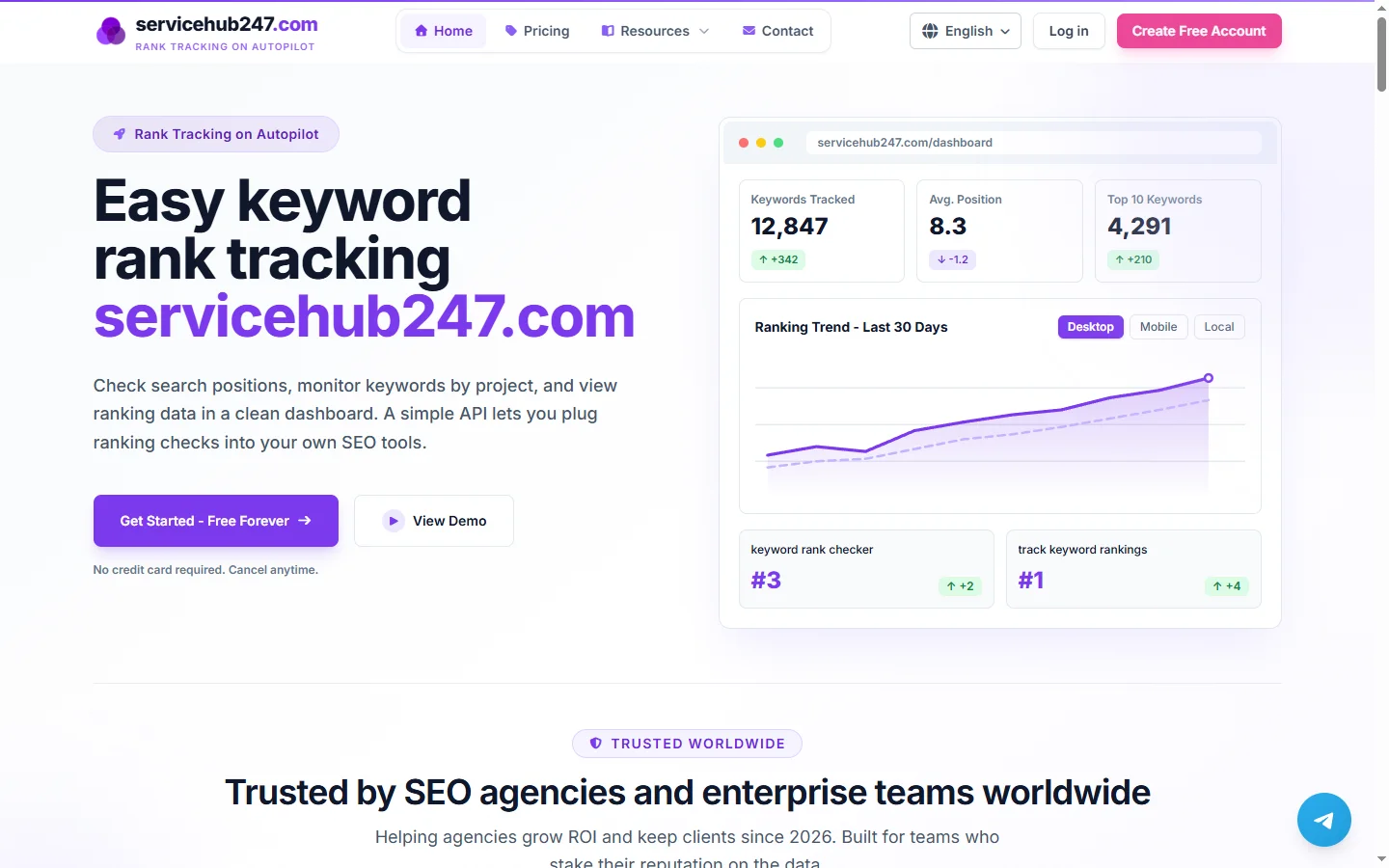
Internal linking changes show up as ranking movement on the target pages, typically within two to six weeks. Track the target keywords daily in Service Hub 247 before and after a linking sprint, and annotate the date; few SEO actions produce such clean before-and-after evidence. For a site with existing content and any history at all, an internal linking sprint is usually the fastest ranking win available.