Search engine optimization, or SEO, is the practice of making your website easier for search engines to find, understand and recommend. Done well, it earns you a steady stream of visitors who were actively looking for what you offer, without paying for every click. This guide covers the fundamentals every business owner should understand before spending a dollar on marketing.
How search engines actually work
Google runs three continuous processes. Crawling: automated bots follow links and discover pages. Indexing: discovered pages are analyzed and stored in a giant database. Ranking: when someone searches, Google scores every relevant indexed page and orders the results. SEO is simply the work of helping all three steps go in your favor.
The four pillars of SEO
Technical SEO
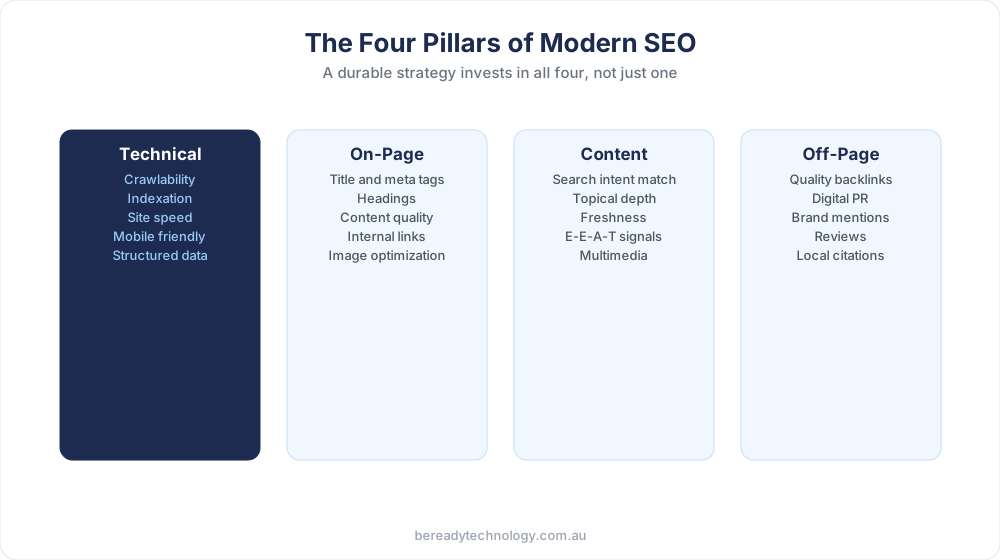
Can search engines reach and read your site? This covers crawlability, indexation, site speed, mobile friendliness and structured data. A technically broken site loses before the game starts. Our Technical SEO Audit: A Practical Framework for Any Website shows how to check yours.
On-page SEO
Are individual pages optimized? Title tags, headings, internal links and content structure tell Google exactly what each page is about. The On-Page SEO Checklist: 12 Elements to Optimize on Every Page walks through every element.
Content
Do you actually answer what people search for? Content that matches search intent, covers the topic properly and demonstrates real experience is what earns rankings. Keyword research, explained in Keyword Research Step by Step: From Seed Ideas to Content Plan, tells you what to write.
Off-page SEO
Do other websites vouch for you? Links from relevant, trusted sites remain one of the strongest ranking signals, alongside brand mentions and reviews.
Why SEO beats renting traffic
Paid ads stop the moment you stop paying. Organic rankings, once earned, keep delivering visitors month after month at no cost per click. The catch is time: SEO compounds slowly at first, then accelerates. That trade-off is exactly why the channel rewards businesses that start early and stay consistent.
What results look like
A realistic first year: technical foundation and content plan in months 1 to 2, first page-one rankings for long-tail keywords around months 3 to 5, meaningful traffic growth from month 6, and compounding returns into year two. We break the timeline down honestly in How Long Does SEO Take? An Honest Timeline with Milestones.
Getting started this week
- Set up Google Search Console and Google Analytics.
- Check that your key pages are indexed (search site:yourdomain.com).
- List 20 phrases customers would type to find you.
- Make sure every important page has a unique title and one clear H1.
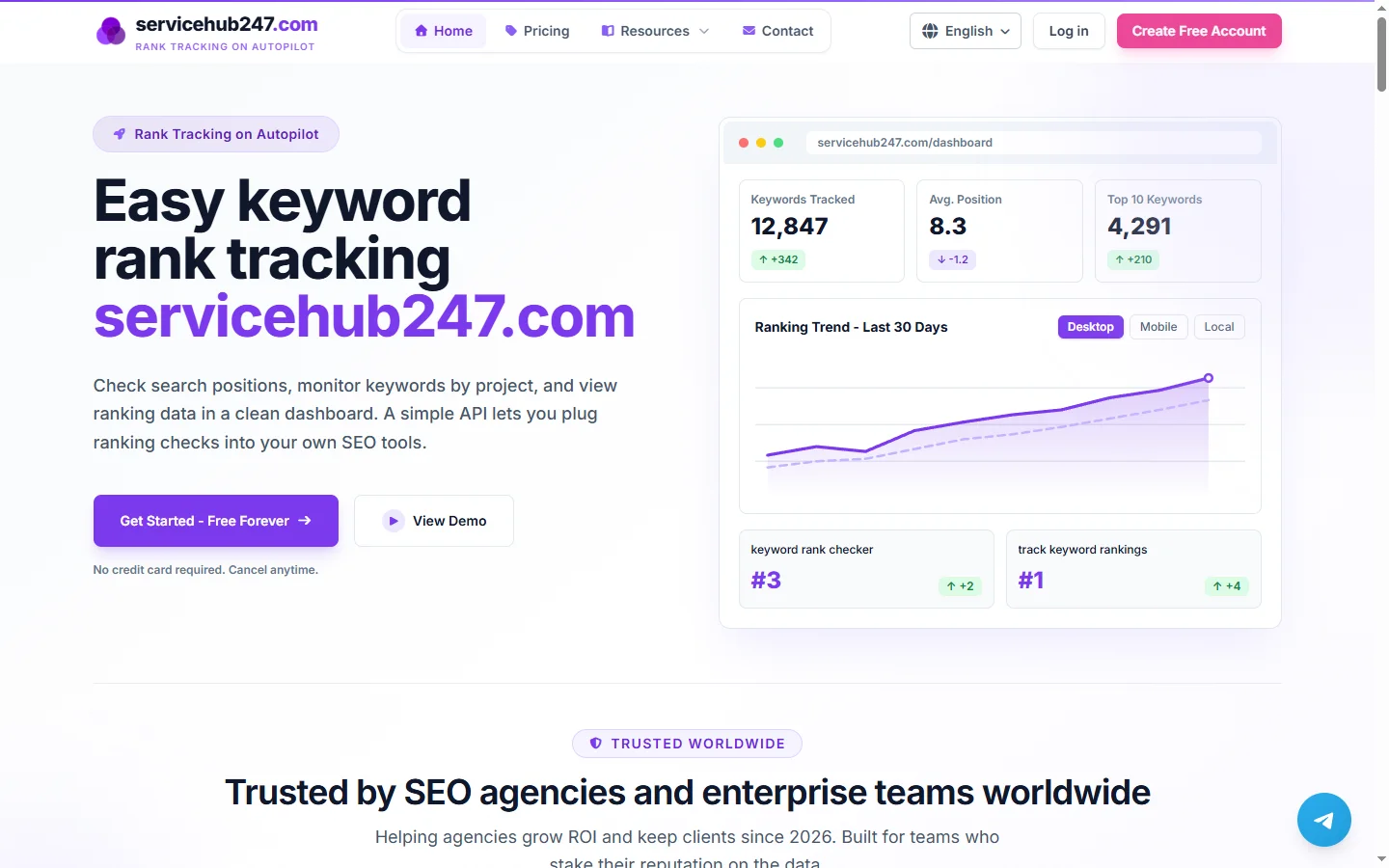
- Start tracking your rankings so progress is visible from day one.
The bottom line
SEO is not a trick, it is compound interest applied to your website. Every fixed issue, every solid article and every earned link keeps paying you back. If you would like an expert assessment of where your site stands today, talk to the Be Ready Technology team, SEO is one of the two things we do all day, every day.